Fisher, Baker grit cuts NZ deficit to 100 at The Oval
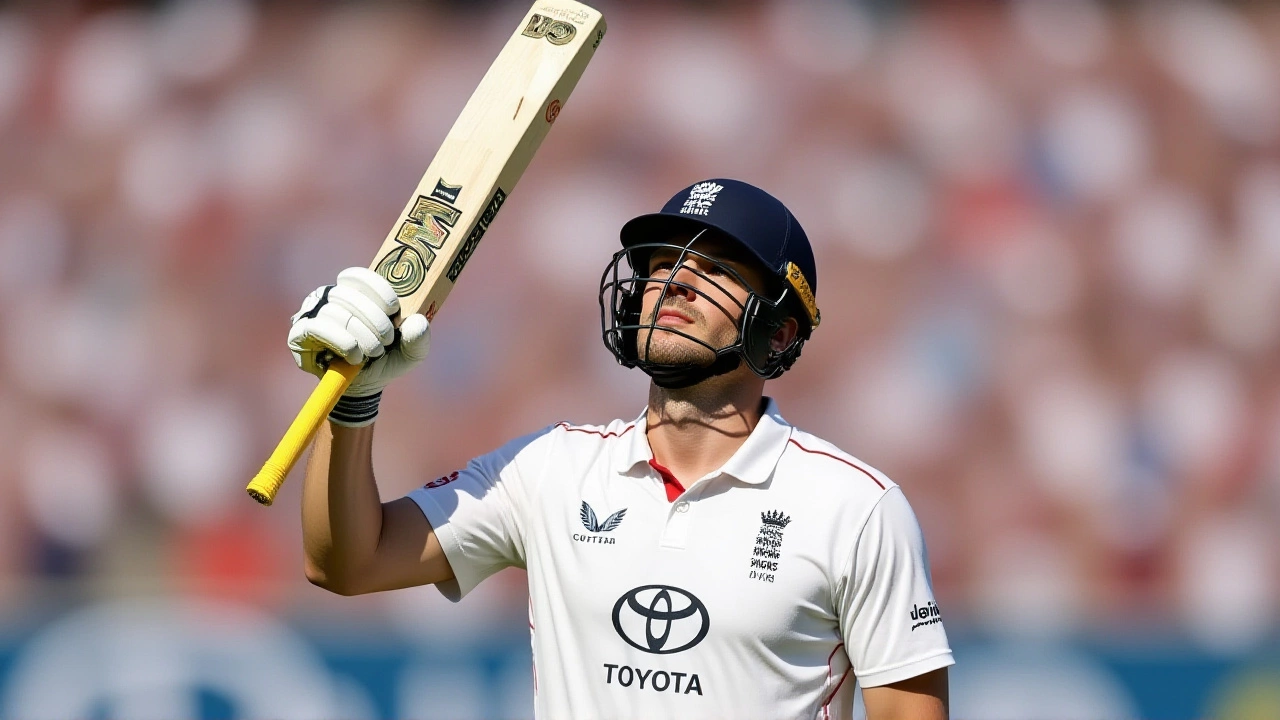
It’s the kind of stubbornness that defines Test cricket. On a Friday morning at The Oval in London, England’s tailenders refused to go quietly, chipping away at a mountain-sized deficit against New Zealand. What started as a dire situation for the home side turned into a frustrating stalemate for the visitors, thanks largely to an unorthodox but effective last-wicket partnership.
When Matthew Fisher, batter for England and Sonny Baker, batter for England walked out together, the pressure was immense. They didn’t just survive; they added 53 runs for the tenth wicket, reducing England’s first-innings deficit from a daunting margin to exactly 100 runs. It wasn’t pretty, but it was effective.
The Last-Wicket Stand That Frustrated the Kiwis
Here’s the thing about lower-order batting: you don’t need to hit sixes. You just need to stay there. Fisher led the charge, scoring 48 of the 53 runs in the partnership. He played with a mix of caution and opportunistic stroke-play, finding gaps while the New Zealand fielders grew increasingly restless.
Baker’s role was different. His job was simple: block. He faced 35 deliveries without scoring much, managing only 4 runs. But those 35 balls were crucial. Every dot ball was a victory. He absorbed the pressure, allowing Fisher to rotate strike and keep the scoreboard ticking over. It’s a classic survival tactic, but one that requires nerves of steel.
The stand finally ended five minutes before lunch. On his 36th delivery, Baker edged a ball from Kyle Jamieson, bowler for New Zealand to second slip. It was a fine catch, but it came too late to prevent the damage. England’s first innings closed at 291. While that’s not a huge total, the fact that they cut the deficit to 100 runs meant New Zealand couldn’t take their foot off the gas.
New Zealand’s Response: Nicholls Takes Charge
But wait—don’t think England has recovered. New Zealand responded with characteristic solidity. In their second innings, Nicholls, batter for New Zealand produced a masterclass in patience and power, scoring an unbeaten 119. This innings shifted the momentum back firmly in favor of the tourists.
By stumps on the final day reported, New Zealand sat at 252-3 in their second innings. When you add that to their 100-run first-innings lead, they were effectively 352 runs ahead. That’s a massive cushion. Nicholls’ century wasn’t just personal glory; it was a statement. It told England: “We’re still in control.”
Why This Matters for the Series
The context here is critical. A 100-run deficit after the first innings is manageable. A 352-run lead going into the final days? That’s nearly insurmountable. England’s gritty resistance bought them time, but it didn’t buy them a realistic chance of winning unless something extraordinary happens next.
Experts point out that New Zealand’s bowling attack, led by Jamieson, remains fresh and dangerous. Meanwhile, England will need another miracle from their top order or a collapse from the Kiwis. The pitch at The Oval can deteriorate, offering turn and bounce, which could play into either team’s hands depending on who bats first in the final sessions.
What’s Next for Both Teams
All eyes now turn to the remaining days of the match. England must bat with intent, knowing that chasing a large target is risky. Any early wickets could seal their fate. For New Zealand, the strategy is clear: protect the lead, bowl tight lines, and wait for England to make mistakes.
If history is any guide, matches like this often come down to temperament. Can England handle the pressure of a looming defeat? Or will New Zealand’s discipline hold firm? The answer lies in the next few hours of play.
Frequently Asked Questions
Who are Matthew Fisher and Sonny Baker?
Matthew Fisher and Sonny Baker are lower-order batters for the England cricket team. Fisher bats at No. 9, while Baker is the No. 11 batter (usually the last man in). They are known for their ability to contribute small scores and frustrate opposition bowlers, rather than playing aggressive innings.
What does a 100-run deficit mean in Test cricket?
A 100-run deficit means that after both teams have completed their first innings, one team is behind by 100 runs. In Test cricket, this is considered a significant but not impossible gap to overcome. However, if the leading team extends this lead in their second innings (as New Zealand did), the challenge becomes much harder.
Why was Kyle Jamieson’s dismissal of Baker important?
Kyle Jamieson dismissed Sonny Baker on the 36th ball he faced, ending the last-wicket partnership. This breakthrough allowed New Zealand to complete England’s first innings and start building their own second-innings advantage. Jamieson is a key all-rounder for New Zealand, contributing with both bat and ball.
What is the significance of Nicholls’ unbeaten 119?
Nicholls’ unbeaten 119 in New Zealand’s second innings extended their lead to 352 runs. This score demonstrated New Zealand’s dominance and put immense pressure on England. An unbeaten century in such a position signals confidence and tactical control, making it difficult for the opposing team to mount a comeback.
Where is The Oval located?
The Oval, officially known as Kia Ova, is a major cricket ground in Kennington, London, England. It is one of the most historic venues in English cricket and regularly hosts international Test matches, including those between England and touring nations like New Zealand.