Author: Archer Whitmore - Page 4
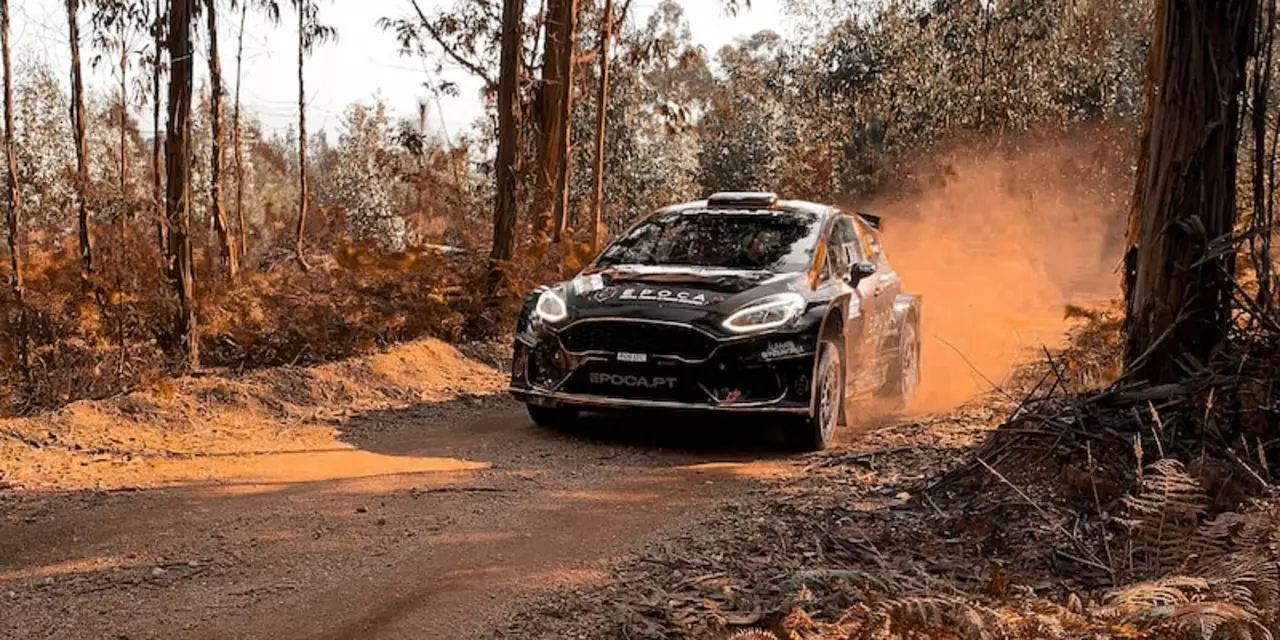
Do rally drivers remember track or rely just on navigator?
This article examines the role of the navigator in rally driving. It looks at the debate between experienced rally drivers who prefer to remember tracks and those who rely solely on their navigator. The article suggests that the navigator is essential to success in rally driving, as they can provide vital information not available to the driver, such as the type of surface ahead, the condition of the road, and the precise route. However, experienced drivers need to remember the track as well to make the best use of the navigator's information. Ultimately, a combination of driver memory and navigator input is necessary for success.
Read More
What is the difference between rally and rallycross?
Rally and rallycross are two motor sports that have some similarities but differ in many ways. Rally is a multi-stage event which tests a driver’s ability to navigate through a course, while rallycross is a one day event that takes place on a closed track with both dirt and asphalt surfaces. Rally stages are usually long and consist of a variety of road surfaces and conditions, whereas rallycross is held on a short track and involves high speed maneuvering around tight corners. The cars used in rallying are usually modified road cars, whereas rallycross cars are highly modified with higher power outputs and improved suspension. Finally, rally is usually held on public roads, whereas rallycross is held on purpose-built tracks.
Read More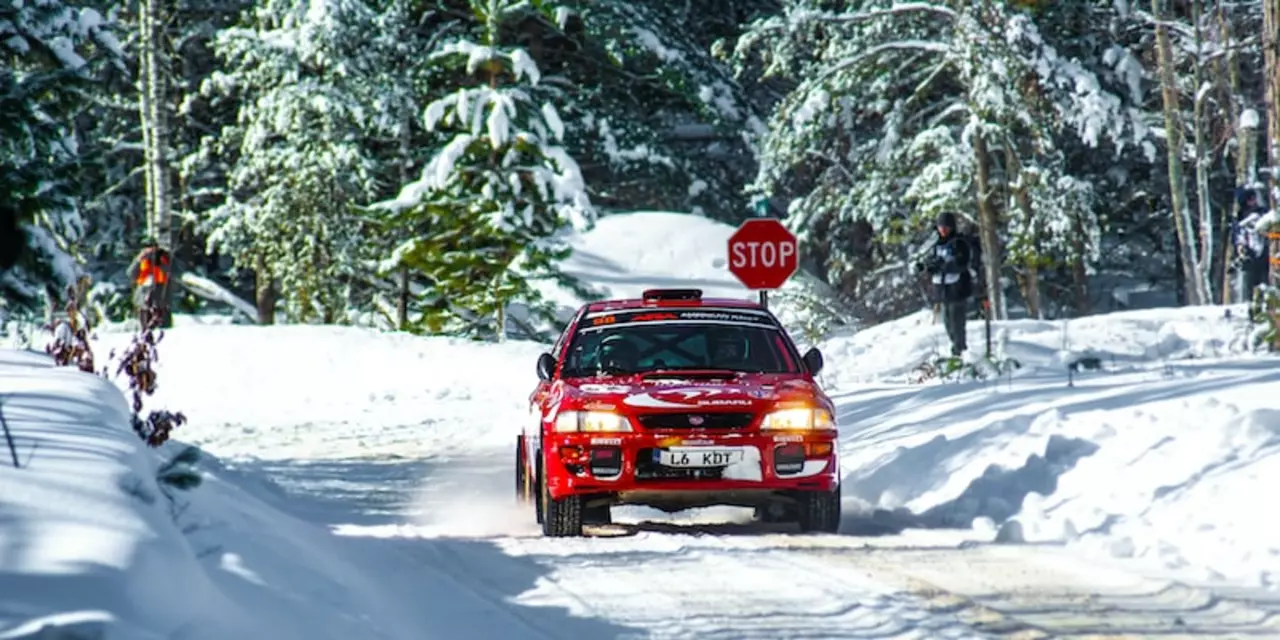
How fast do rally cars go in MPH?
Rally cars can reach very high speeds on a variety of different surfaces. The exact speed achieved may depend on the type of rally car, the surface and the driver's skill. Generally, rally cars can reach speeds of up to 100 mph on asphalt surfaces, and up to 120 mph on gravel surfaces. Keywords: Rally cars, MPH, Asphalt, Gravel, Driver skill.
Read More